How to Set the Start Time, End Time, and Time Slot Difference of the Dispatch Calendar
The Dispatch Calendar in DreamzCMMS shows scheduled work and resources in a time-based layout. To ensure the calendar view matches your operational hours and planning needs, you can configure the start time, end time, and time slot increment (the block of minutes each calendar time grid represents). This helps technicians and dispatchers see schedules in a way that fits your workday and improves planning clarity.
Overview
By setting the Dispatch Calendar parameters — start time, end time, and time slot difference — you determine:
What time of day the calendar starts (e.g., 7:00 AM)
What time the calendar ends (e.g., 7:00 PM)
How detailed the calendar grid will be (e.g., 15-minute blocks, 30-minute blocks)
Configuring these options ensures the calendar fits your team’s schedule and maximizes readability and usability during job planning.
Here is a reference video:
Before You Begin
Confirm you have admin or configuration permissions.
Know your organization’s standard work hours (start and end times).
Decide on the time slot increment that best supports your scheduling precision (e.g., 15, 30, or 60 minutes).
How to Configure Dispatch Calendar Times
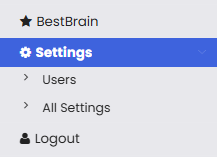
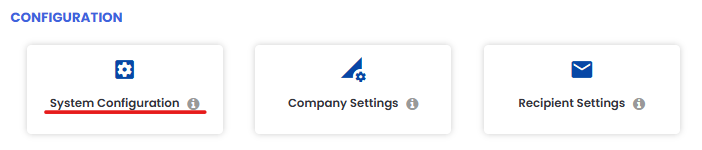
Step 1 — Open Configuration Settings
Navigate to the Settings or Dispatch Calendar Configuration area where calendar parameters are managed.
Step 2 — Locate Calendar Time Settings
Within the calendar configuration section, find the options to set:
Start Time
End Time
Time Slot Difference
These fields determine how the calendar time grid is structured.

Step 3 — Set the Start Time
Enter the Start Time — this is the earliest hour the calendar will show. For example:
7:00 AM — if your team typically begins work early
8:00 AM — if standard office hours apply
This ensures resources are not shown outside business hours unless needed.

Step 4 — Set the End Time
Enter the End Time — this is the last hour the calendar will display. For example:
5:00 PM — traditional end of business
8:00 PM — if late shifts are common
Choosing an appropriate end time ensures visibility of all scheduled tasks.
Step 5 — Set the Time Slot Difference
Choose how granular the calendar grid should be by setting the Time Slot Difference in minutes:
15 minutes — for high-resolution scheduling
30 minutes — for standard planning blocks
60 minutes — for less granular views
Smaller increments help with fine-tuned daily planning, while larger increments provide a broader overview.
Step 6 — Save Your Configuration
Once all times and slot difference values are set:
Click Save or Apply to finalize your calendar settings.
The dispatch calendar will update to reflect the new time format and grid resolution.
After Configuring the Calendar
The calendar grid now starts and ends at times that match your operational window.
The time slots appear with the chosen increment, making schedule blocks more intuitive.
Dispatchers and planners gain better visibility and workflow alignment when planning resources.
Tips for Effective Dispatch Calendar Setup
Match the start and end times to your busiest work hours — this keeps the calendar focused on the relevant schedule.
Use 15-minute increments if tasks require precise start/end times (e.g., inspections or meetings).
Use 30-minute or 60-minute increments for broader overviews when work is less granular.
Review calendar settings periodically to ensure they continue to match team requirements.
Frequently Asked Questions (FAQs)
1. What does the start time setting control?
The start time determines the earliest hour shown on the dispatch calendar, ensuring that pre-work hours (e.g., early morning) are either included or excluded based on your schedule needs.
2. Why would I change the time slot difference?
Time slot difference controls the granularity of the calendar grid — smaller increments (e.g., 15 minutes) let you plan events precisely, while larger increments (e.g., 60 minutes) provide a broader schedule view.
3. Does changing these settings affect work order assignments?
No — these settings affect how the calendar displays times and slots; they do not change work order data or assignments. They simply change the visual time grid layout.
4. Can I update the settings again later?
Yes — calendar times and slot difference settings can be modified at any time to adjust to changing planning needs or operational hours.